Solar Panels for Commercial Property
You own the building; your tenant pays the bills. We engineer the lease and the system so solar protects your EPC, your rent and your asset value — owner-occupier, multi-let, portfolio or sell-the-roof. MCS-certified, free desk feasibility.
- MCS Certified
- NICEIC
- RECC
- TrustMark
- IWA-Backed
ACCREDITED FOR UK COMMERCIAL WORK






You own the building. Your tenant pays the bills. So who benefits from solar?
It is the question a generalist installer never answers. Under a typical FRI lease the occupier pays for the electricity, so a landlord who funds rooftop solar does not automatically capture the saving. The value to you is engineered through the lease, not the meter — and that is the difference between a panel quote and a property decision.
We design the ownership and lease structure first, the system second: common-parts supply you already pay for, a behind-the-meter PPA to your tenant, a developer-funded roof lease, or the simple owner-occupier case. Underneath all of it, solar lifts your EPC, protects lettability and supports capital value.
- We structure the ownership and lease — common-parts supply, tenant PPA, roof lease or owner-occupier — so the right party pays and the right party benefits
- Verified, dated regulation: EPC E is law, EPC B by 2031 is proposed for over-1,000 sqm — not the dead 2030 line competitors still quote
- Asset-value led: solar lifts the EPC, supports the green premium (JLL +11.6% rent / +20.6% capital value on BREEAM stock) and feeds GRESB, CRREM and SFDR reporting
- Whole-of-estate capability: standardised portfolio rollout, framework funding, lender/insurer/dilapidations and s.198 fixtures handled

Five ways an owner makes solar pay
There is a structure for every asset and every lease. Pick the one that fits your building and your appetite for capex.
Owner-occupier
You occupy your own freehold — keep 100% of the saving, claim the allowances, fastest payback.
2Common-parts supply
Offset the power you already pay for — lifts, lighting, HVAC, car park — no tenant consent on consumption.
3Landlord–tenant PPA
Sell solar to your tenant behind-the-meter at a discount to grid, backed by a green-lease addendum.
4Sell the roof
A developer funds and owns the array; you take rent plus a tenant discount with zero capex.
5Green leases
Share cost and benefit fairly with the tenant, capped at their own savings (BBP toolkit).
Solar is an asset-value lever, not just an energy one
Solar by commercial property type
Every asset class structures differently — multi-let, owner-occupied, industrial, retail, offices, portfolios and mixed-use.
 Most common
 Multi-Let Commercial Buildings
100–500 kW · £82,000–£425,000 · 6-yr payback

Owner-Occupied Commercial Property
50–300 kW · £40,000–£250,000 · 5-yr payback
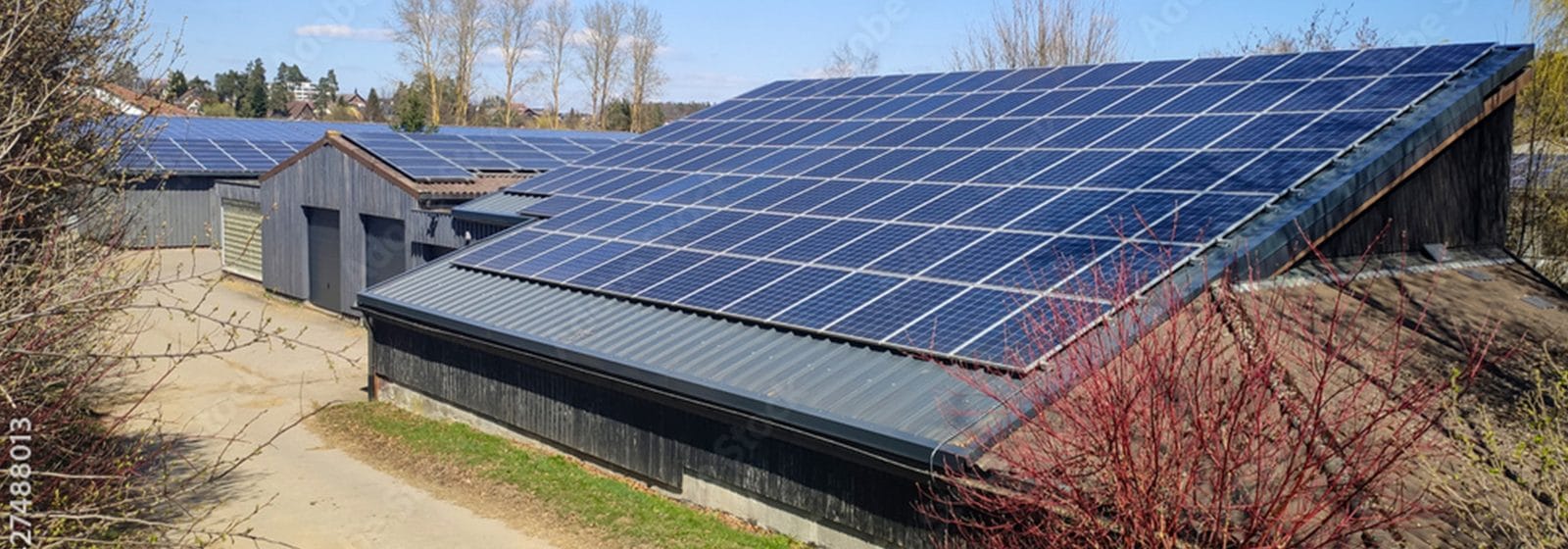
Industrial & Logistics Property
250 kW–1 MW+ · £175,000–£850,000 · 5-yr payback
Retail Parks & Retail Property
100–750 kW · £82,000–£600,000 · 6-yr payback
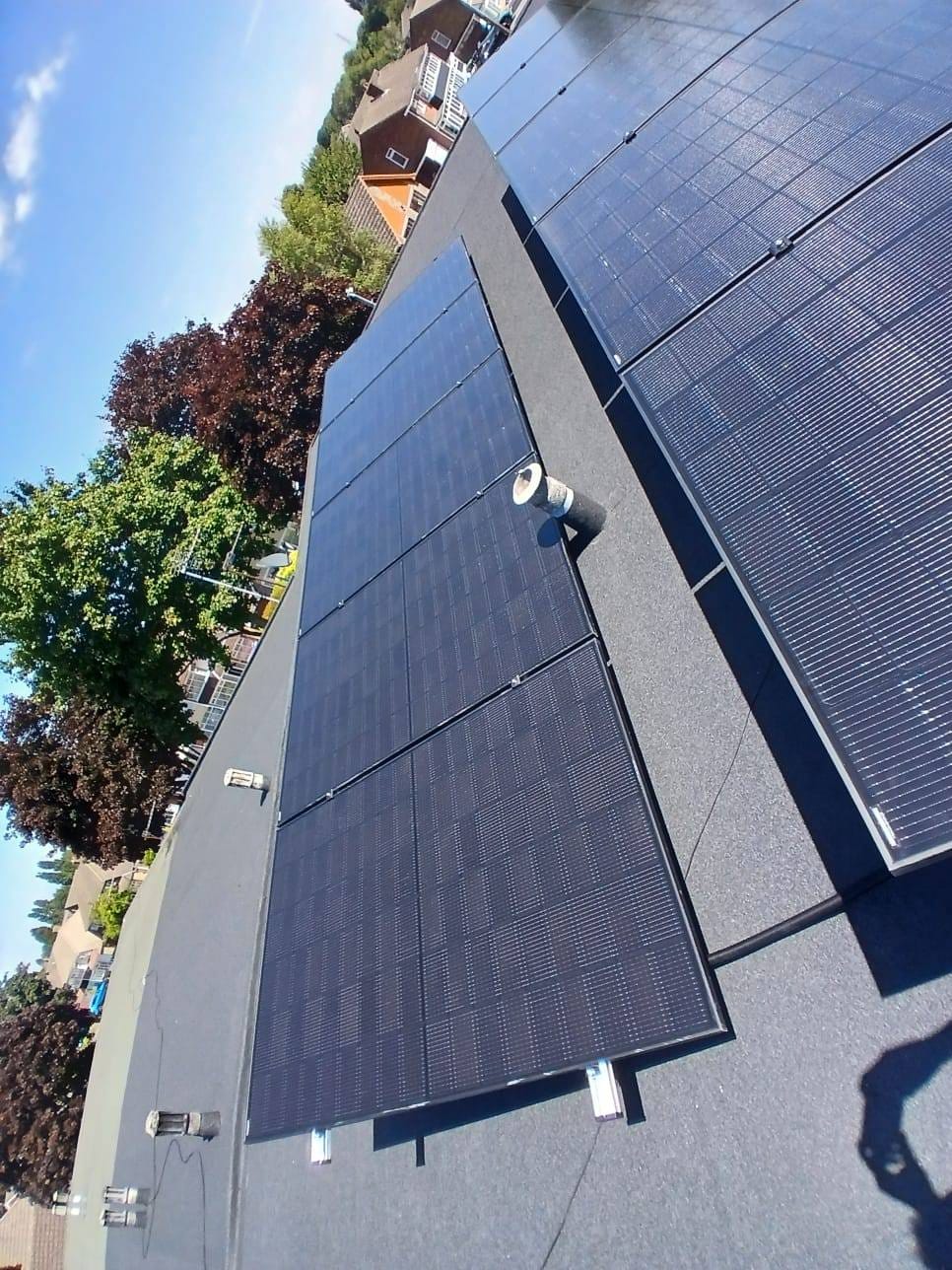
Office Investment Property
100–500 kW · £90,000–£450,000 · 6.5-yr payback

Commercial Property Portfolios
500 kW–5 MW+ across an estate · £350,000–£3,000,000+ · 6-yr payback

Mixed-Use Developments
100–600 kW · £82,000–£500,000 · 6-yr payback

Let Investment Property (single-let FRI)
150–800 kW · £120,000–£700,000 · 6.5-yr payback
The cost of doing nothing is rising — get the facts right
As of June 2026 the only binding minimum is EPC E: since 1 April 2023 it has been unlawful to let commercial property in England & Wales below EPC E, even to a sitting tenant, with fines up to £150,000 and a public breach register. The Government's 18 June 2026 interim response proposes EPC B by 2031 — but only for privately-rented buildings over 1,000 m² and only where cost-effective, subject to legislation.
Most installers still quote the dead "EPC B by 2030" deadline. We don't. Around 83% of commercial buildings in major UK cities sit below EPC B (BPF), and solar typically lifts a commercial EPC by one to three bands — one of the cheapest routes to protect lettability and value.
- EPC E is law now; EPC B by 2031 is proposed for over-1,000 m² assets
- Fines to £150,000 per property plus a public breach register
- Solar typically adds 1–3 EPC bands
- Business-rates exempt to 2035; 0% VAT on the install


Multi-let office, Manchester — 320 kWp landlord + tenant PPA
An asset manager held a 9,500 sqm multi-let office in the M2 postcode rated EPC D, with three tenants on FRI leases and a service charge that could not absorb solar capex. We modelled the 14 sub-meters, designed a 320 kWp rooftop array, offset the landlord's common-parts load directly, and sold the balance to two tenants under behind-the-meter PPAs at 22p/kWh against a 27p grid rate — wrapped in a green-lease addendum. The whole building moved EPC D to B, taking the MEES risk register from red to green.
From first call to commissioning
We sequence the lease engineering and the grid connection alongside the build, so nothing surprises you at the next valuation or refinance.
- 01Day 1–7
Feasibility & structure
We pull your half-hourly meter data and lease terms, model the system, and recommend the ownership route — common-parts, PPA, roof lease or owner-occupier.
- 02Week 2–4
Survey & fixed-price proposal
Structural roof-loading survey to BS EN 1991, electrical design, and a fixed-price proposal with the funding and tax position set out.
- 03Month 2–6
Consents & grid
Class J prior approval, G99 DNO connection, and — where relevant — lender and insurer consent and the s.198 / SDLT position on a roof lease.
- 04Month 6–9
Install, commission, report
On site, commissioned, and handed over with the EPC uplift evidence and Scope 2 / GRESB documentation your reporting needs.
A commercial property solar specialist vs a generalist installer
| Us Property + solar specialist | Generalist installer Panels only | In-house Self-managed | |
|---|---|---|---|
| Structures the ownership & lease (split incentive) | |||
| Models from half-hourly meter data | Sometimes | ||
| MEES / EPC compliance pathway | |||
| Capital allowances & s.198 handled | Sometimes | ||
| Lender, insurer & dilapidations sequenced | |||
| Portfolio rollout across an estate | |||
| GRESB / Scope 2 reporting pack |
Commercial property solar across the UK
Local cost context, council net-zero targets and grid-connection timescales for every area we cover.
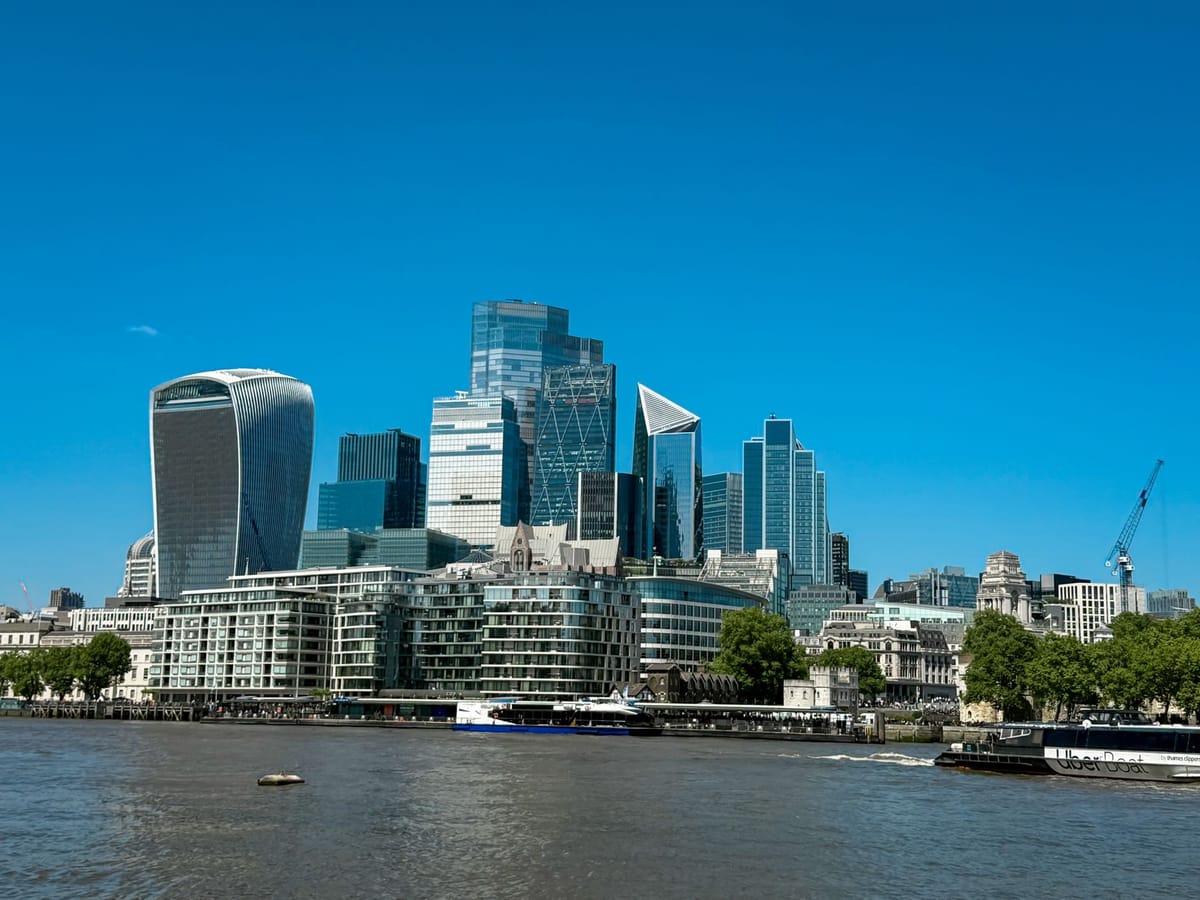
London
Greater London. Greater London Authority, 2030 net zero.

Birmingham
West Midlands. Birmingham City Council, 2030 net zero.
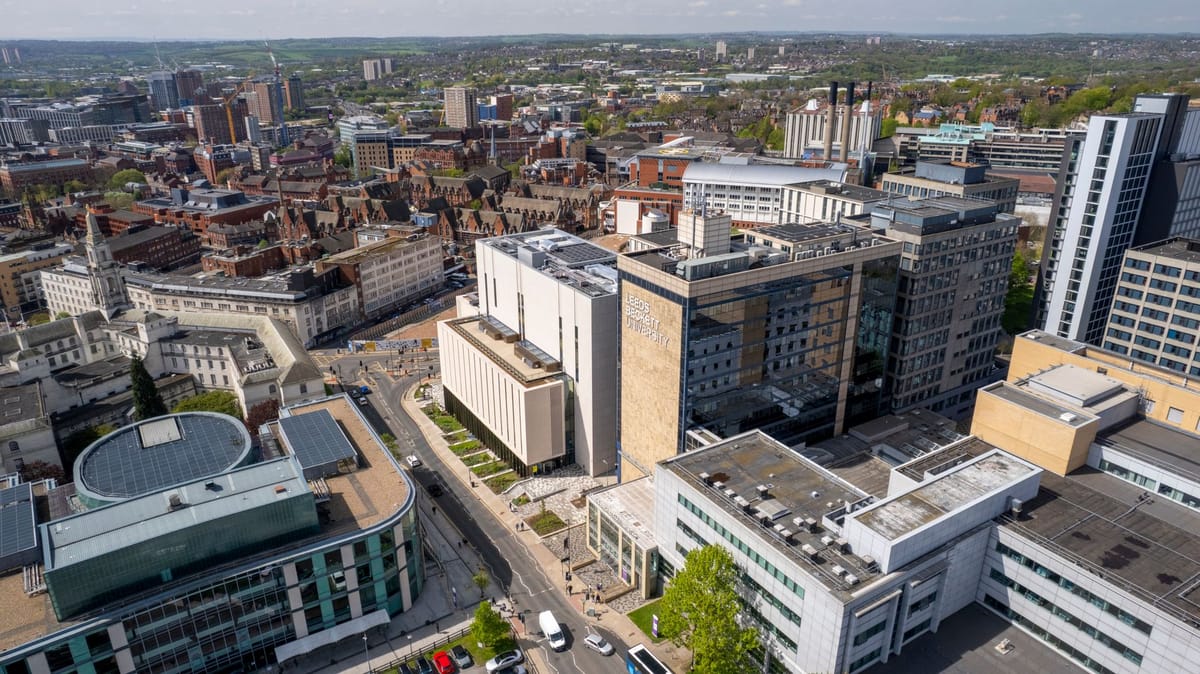
Leeds
West Yorkshire. Leeds City Council, 2030 net zero.

Sheffield
South Yorkshire. Sheffield City Council, 2030 net zero.

Manchester
Greater Manchester. Manchester City Council, 2038 net zero.
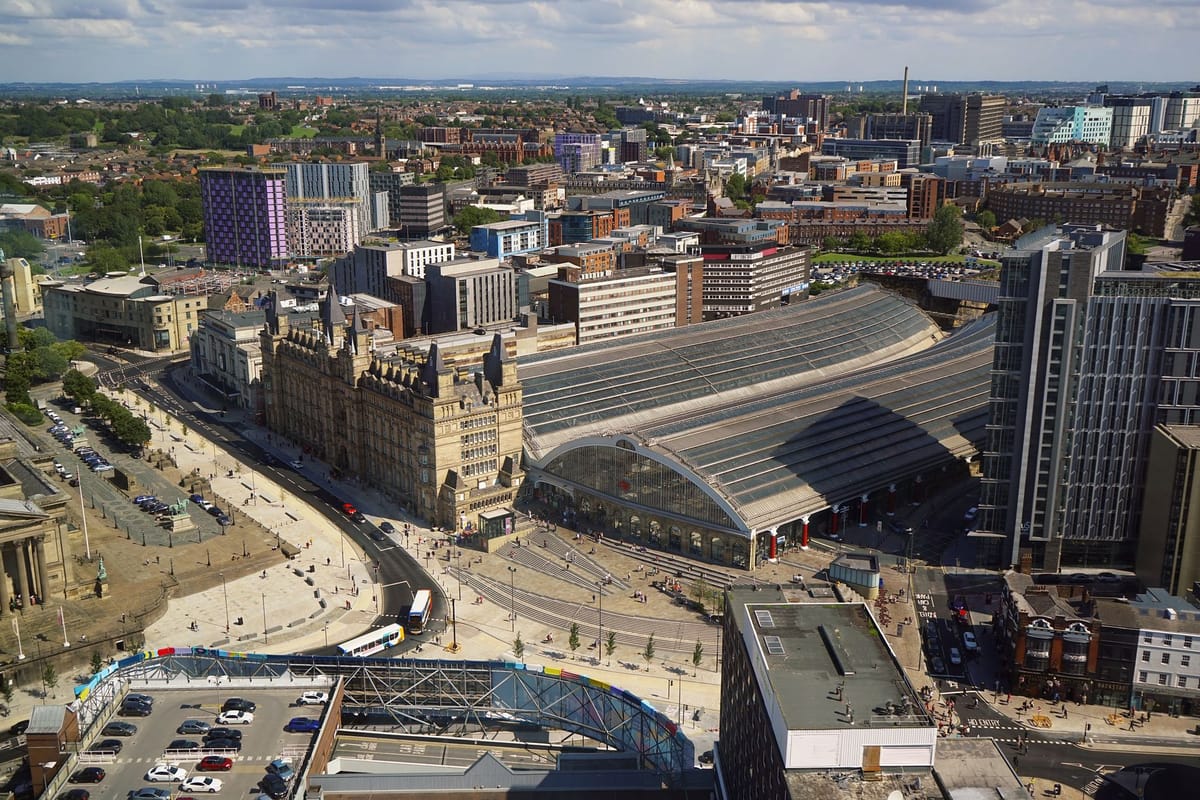
Bradford
West Yorkshire. Bradford Council, 2038 net zero.
Commitments you can hold us to
Commercial property solar — owner questions
The questions landlords, investors and asset managers actually ask.
My tenant pays the energy bills — so how do I make money from solar on my commercial property?
Through the structure, not the meter. Begin with the power the landlord already pays for and consumes — common-parts lighting, lifts, HVAC, the car park and EV chargers — which solar offsets directly, with no split incentive. To reach the tenant's load, sell solar to them under a behind-the-meter or sleeved PPA priced below grid, supported by a green-lease addendum. If you want no capital outlay, lease the roof to a developer for rent plus a tenant power discount. And across all of it, the EPC uplift protects rent and capital value. We design the ownership and lease structure first and the system second — which is what a generalist solar installer does not do.
Do I have to upgrade my commercial property to EPC B, and by when?
As of June 2026 the only legally binding minimum is EPC E: since 1 April 2023 it has been unlawful to continue letting commercial property in England and Wales below EPC E, even to a sitting tenant. The Government's interim response of 18 June 2026 proposes raising this to EPC B by 2031 — but only for privately-rented non-domestic buildings over 1,000 m² and only where cost-effective; smaller buildings would remain at EPC E with no set deadline. The earlier 'EPC C by 2027' milestone has been scrapped, and the EPC B target will only take effect once secondary legislation passes through Parliament. Solar typically lifts a commercial EPC by one to three bands, which is why it is one of the most cost-effective compliance levers.
Can I recover the cost of installing solar through the service charge?
Generally no. Under the RICS Service Charges in Commercial Property professional standard (2nd edition, in force 31 December 2025), the initial capital cost of installing new plant or equipment — which is what rooftop solar is — is not recoverable through the service charge unless it is expressly justified and agreed. Recovery normally runs through a landlord–tenant PPA, a green-lease contribution capped at the tenant's own savings (per the BBP toolkit), or rent. We structure the recovery route at the outset so it stands up.
Will solar increase my building's business rates or rateable value?
No. Rooftop solar and co-located battery storage are exempt from business rates in England until 31 March 2035, so the investment does not raise the rateable value. On a typical 250 kW warehouse array that protects roughly £3,000–£8,000 a year, or £30,000–£80,000 across the exemption window. Note that under a full repairing and insuring lease the rates payer is usually the occupier, so the benefit accrues to whoever is liable.
Can a landlord claim the tax relief on solar, or only the occupier?
A landlord carrying on a property business can claim capital allowances on solar installed as a fixture. The headline relief is the Annual Investment Allowance — 100% in year one, up to £1m, permanently. Importantly, solar is classified as special-rate (integral features), so the permanent full-expensing regime gives only a 50% first-year allowance on solar, and full expensing is unavailable for assets bought to lease — so landlords and PPA/roof-lease structures rely on the AIA (100% up to £1m) and the 6% writing-down allowance above it. When buying or selling a let property with existing solar, a CAA 2001 s.198 fixtures election must be agreed or the allowances can be lost. Always take professional advice on your specific position.
What's the difference between leasing my roof to a developer and funding the panels myself?
Funding it yourself means you own the asset, keep all the energy and SEG value, claim the capital allowances and improve your own balance sheet — but you carry the capex and the operating responsibility. A rooftop or airspace lease (the 'sell the roof' route) means a developer funds, owns and maintains the array, you take rent plus a power discount for the occupier, and you commit no capital — but you give up some roof control and surplus export, the lease is a registrable interest with SDLT and Land Registry consequences, and it needs mortgagee and insurer consent. We model both against your covenant, lease length and appetite for capex.
Get a fixed-price solar proposal for your property
Free desk feasibility from your half-hourly meter data. Proposal within 7 working days — and an honest answer if your site does not suit solar.
Landlords pairing solar with storage to improve EPC ratings can speak to the EC Eco Energy team about commercial battery systems in the East of England.